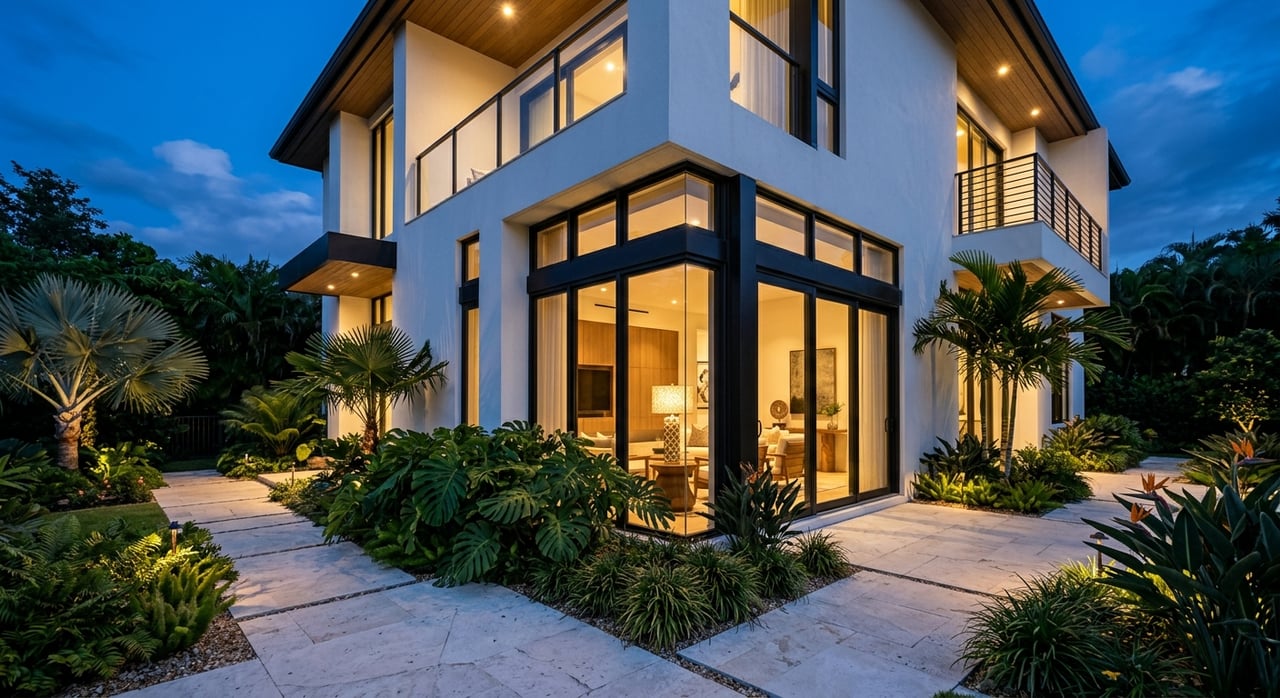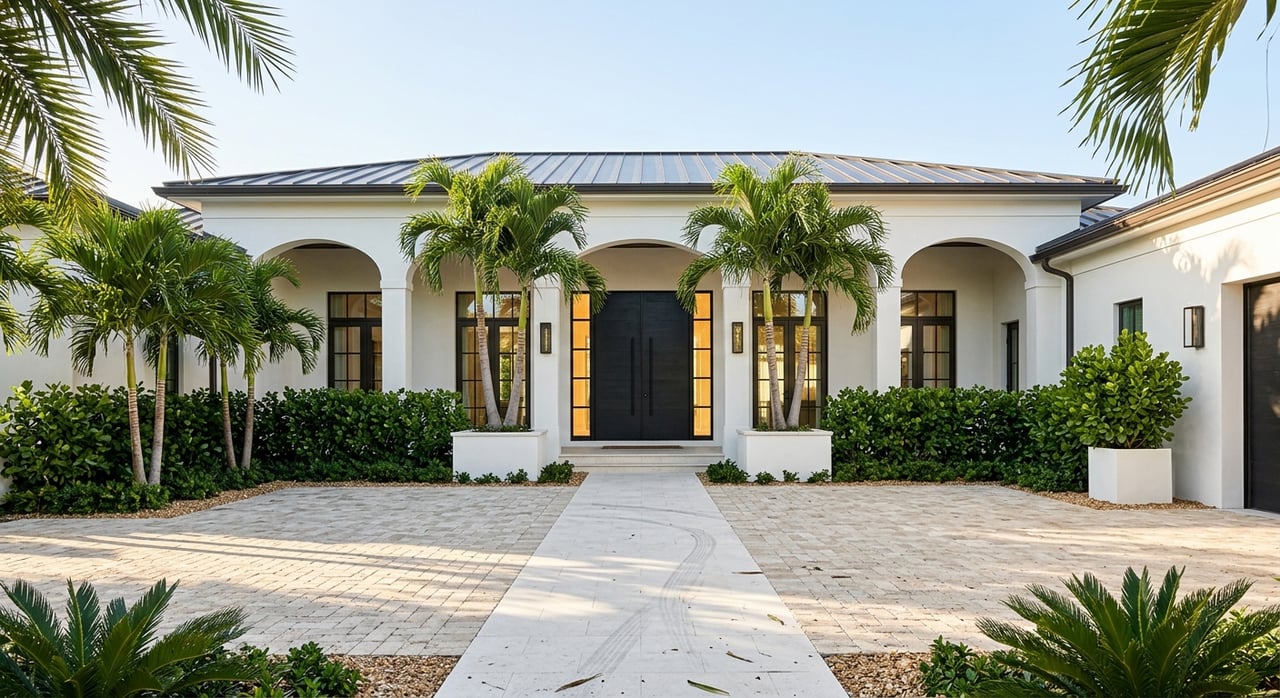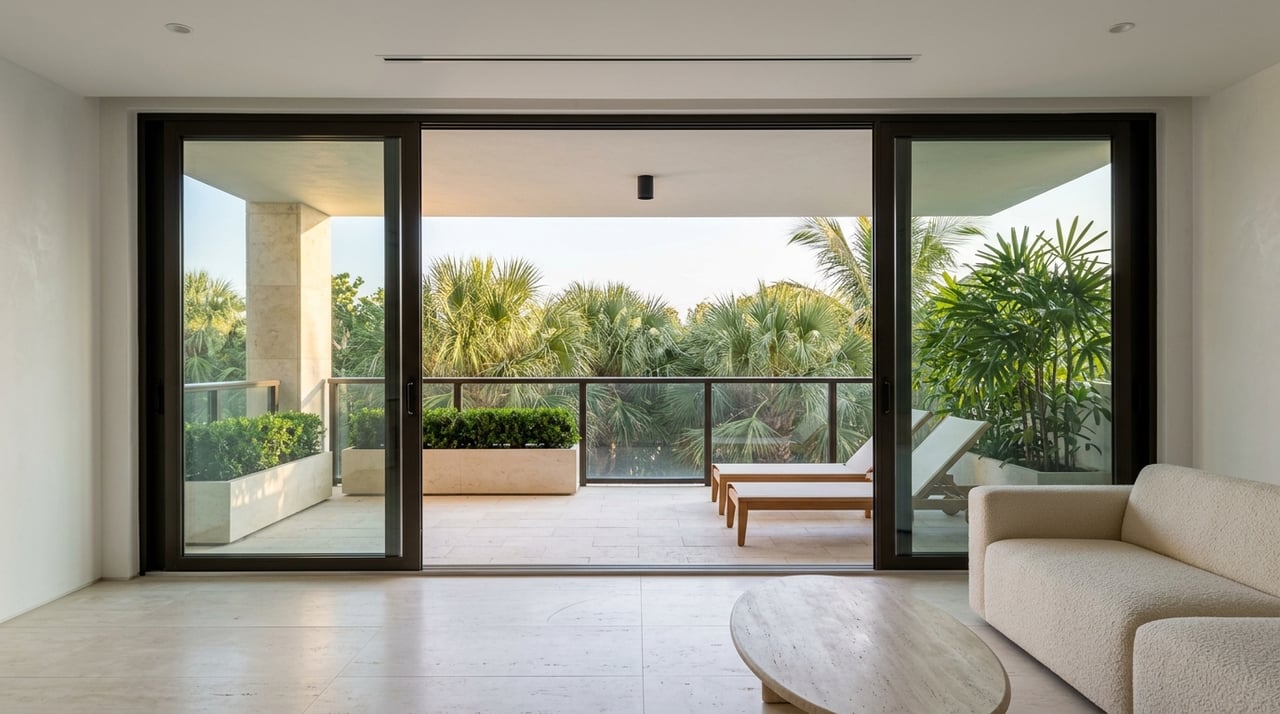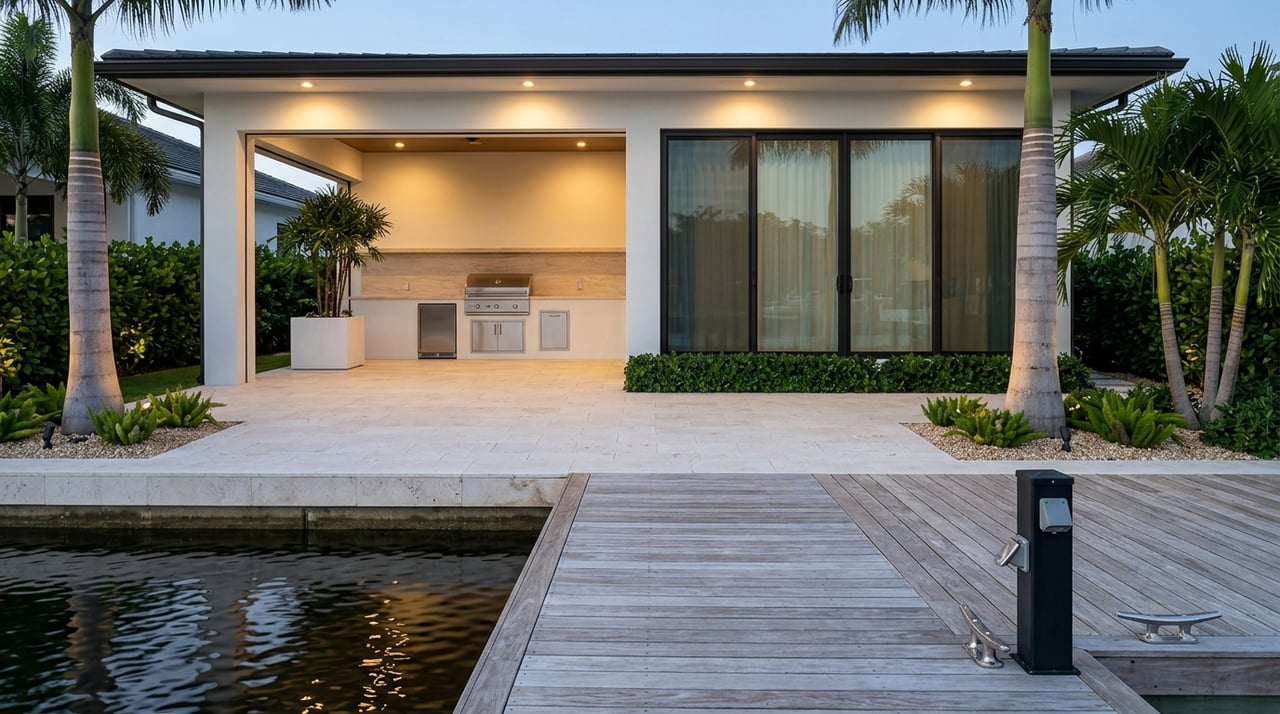
Selling a waterfront home in Jupiter or Tequesta is not the same as selling an inland property. Buyers will notice the views and outdoor living first, but they will also ask sharper questions about flood zones, permits, seawalls, docks, and prior improvements. If you prepare both the property and the paperwork before you list, you can present your home more confidently, reduce avoidable surprises, and create a smoother path to closing. Let’s dive in.
Why waterfront prep matters more
A waterfront home asks more of you before it goes to market. In Jupiter and Tequesta, pre-listing preparation is not only about making the home look polished. It is also about organizing the documents buyers are likely to request early in due diligence.
That matters even more now because Palm Beach County says FEMA’s updated flood maps became effective on December 20, 2024, and added thousands more county parcels to high-risk flood zones. The county also states that all residents live in a flood zone and that windstorm insurance does not cover flood damage. For sellers, that means flood-related details should be verified before the first showing.
Start with flood-zone and disclosure prep
One of the smartest first steps is to assemble a clean, complete property file. Florida law requires sellers to disclose flood risk by the time a sales contract is executed. Florida law also requires disclosure of known sanitary sewer lateral defects before a contract is executed.
For a waterfront listing, gather these items as early as possible:
- Flood-zone information
- Flood insurance history
- Records of past flood-related issues, if known
- Known repair issues that may need to be disclosed
- Any known sanitary sewer lateral defects
Jupiter also notes that all construction requires a permit. Its flood guidance states that work in a Special Flood Hazard Zone can be considered a substantial improvement when the cost reaches 50 percent or more of market value. The town further says permit review is required for continued participation in the National Flood Insurance Program, and violations can affect a resident’s ability to obtain flood insurance.
Organize permits before buyers ask
Luxury buyers often move quickly, but they also expect answers. If your home has had work done on the dock, boatlift, seawall, roof, windows, or other major components, your records should be ready before the property goes live.
A strong pre-listing file can help answer due-diligence questions quickly and reduce uncertainty around unpermitted work or incomplete closeouts. Useful records to collect include:
- Permit applications and final inspections
- Permit closeout documents
- Current surveys
- Repair invoices and contractor records
- Engineering plans, if applicable
- Seawall or dock improvement documents
This kind of preparation supports a more seamless listing process. It also signals that the home has been carefully maintained.
Check docks, boatlifts, and seawalls
On a waterfront home, marine features are often part of the value story. They are also common areas of buyer scrutiny. Before listing, confirm what work was done, whether permits were required, and whether the final documents are complete.
In Jupiter, docks and boatlifts require a building permit reviewed by multiple departments, including Building, Engineering, Planning and Zoning, and Natural Resources. The town also says applications must include authorizations from other entities such as the Florida Department of Environmental Protection, the Army Corps of Engineers, and any HOA, and must comply with local Marine Facilities code rules.
Jupiter also states that seawall replacement depends on the condition and classification of the existing shoreline stabilization, and that all such options require permitting. The town recommends a pre-application meeting with staff for this type of work.
In Tequesta, dock and boatlift submittals require a building permit application, DEP approval or self-certification, a current survey, a site plan, and signed and sealed engineered plans. The village’s guidance also states that no marine structure may protrude beyond 10 feet from the waterward extension of the adjacent side property line.
For seawalls in Tequesta, the village requires a clean boundary survey and a survey overlay of proposed work sealed by a professional engineer. Drainage plans and a final survey may also be required before final inspection. The village states that applications are not reviewed until they are complete.
If any work affected wetlands or other surface waters, Florida DEP says dredging and filling activities are regulated through the Environmental Resource Permitting program. DEP also notes that applicants may need U.S. Army Corps of Engineers authorization.
Declutter the waterfront lifestyle
Once your documentation is in order, turn to presentation. Staging matters because buyers need to picture how the property lives day to day, not just how it looks in photos.
NAR’s consumer guidance says staging helps buyers visualize a property as their future home. It also reports that some professionals see staged homes sell faster, and that more than a quarter saw staged homes receive 1 percent to 10 percent more in dollar value offered.
For a Jupiter or Tequesta waterfront property, the outdoor spaces deserve the same attention as the interiors. Patios, pool decks, docks, and terraces function like additional rooms. If they feel cluttered or under-furnished, the home may not read as clearly as it should.
Focus on these presentation priorities:
- Clear the sightline to the water
- Remove excess dock gear, loose lines, and visible storage
- Tidy boat storage areas, driveways, and garages
- Refresh outdoor seating so it feels intentional and scaled to the space
- Keep colors and finishes calm and cohesive
- Polish hard surfaces and clean glass thoroughly
In Tequesta, this can include practical boat-related cleanup as well. The village requires a no-fee permit for parking or storage of watercraft at residences, which is worth keeping in mind if you are reorganizing a driveway, side yard, garage, or dock area ahead of listing photos.
Make the views the star
Waterfront presentation should guide the eye outward. That means your furnishings, decor, and accessories should support the setting rather than compete with it.
A clean, neutral approach tends to work best. Limit personal items, reduce visual noise, and avoid overcrowding rooms or exterior spaces. If a room feels tight on camera, removing one or two pieces of furniture can help it read larger online.
This matters because most buyers start their search digitally. Strong visuals can shape whether a buyer schedules a showing at all.
Plan photography carefully
Professional photography is essential for a high-end waterfront listing. NAR says most buyers shop online, and high-resolution photos and video tours are a must.
Before the shoot, open blinds, remove distracting items, and take a critical pass through each room. Small visual distractions can pull attention away from the architecture, water view, or outdoor living areas.
For waterfront homes near the beach, timing also matters. If the property is beach-adjacent in Jupiter or Tequesta, exterior lighting and evening photography should be planned carefully because local sea turtle lighting rules may apply.
Jupiter says sea turtle nesting season along its beaches runs from March 1 to October 31. Its guidance notes that seagrape trimming is limited during nesting season so vegetation can help shield the beach from artificial light.
Tequesta’s sea turtle ordinance applies to lighting visible from the beach and explicitly includes outdoor areas, landscaping, parking lots, and related infrastructure. The ordinance also treats temporary lighting, such as flash photography, as regulated lighting in the coastal context. If your home is in a beach-adjacent setting, confirm that photo plans and exterior lighting choices respect those rules.
Fix surprises before they become objections
The cleanest listings tend to be the ones that handle small issues before buyers uncover them. On waterfront properties, even minor deferred maintenance can trigger bigger questions about care, exposure, and future costs.
Before launch, inspect the features buyers will study most closely:
- Dock surfaces and hardware
- Seawall condition
- Pool deck and patio finishes
- Windows and doors
- Roof-related records
- Exterior lighting and landscape condition
You do not need to over-improve everything before selling. You do want to know what you have, what was done legally, and what may need to be disclosed.
Your pre-listing waterfront checklist
If you want a simple way to prepare, start here:
- Verify the current flood zone and gather flood-related records.
- Confirm flood insurance status and history.
- Pull permits and final inspections for docks, boatlifts, seawalls, and other major work.
- Gather surveys, repair records, and improvement documents.
- Identify any known defects that may require disclosure, including sanitary sewer lateral issues.
- Declutter the dock, outdoor living areas, and storage zones.
- Stage patios, pool decks, and terraces like additional living spaces.
- Schedule photography for the best natural light.
- Review whether any beach-adjacent lighting or flash photography could conflict with sea turtle rules.
- Launch with both the property and the paperwork fully prepared.
A smoother sale starts before listing day
When you prepare a waterfront home well, you do more than improve presentation. You reduce friction, improve buyer confidence, and give your listing a stronger foundation from day one.
In Jupiter and Tequesta, that often means balancing polished marketing with careful documentation. The result is a property that shows beautifully, answers questions quickly, and feels ready for serious buyers.
If you are considering a sale and want a discreet, tailored strategy for your waterfront property, connect with The Hyland Group to request a confidential home valuation.
FAQs
What should you gather before selling a waterfront home in Jupiter or Tequesta?
- You should gather flood-zone information, flood insurance history, permit records, final inspections, surveys, repair documents, and any known defect disclosures, including flood-related issues and known sanitary sewer lateral defects.
Why do flood documents matter when selling a Jupiter or Tequesta waterfront home?
- Palm Beach County says updated FEMA flood maps took effect on December 20, 2024, and Florida law requires flood-risk disclosure by the time a sales contract is executed.
Do dock and seawall permits matter when listing a waterfront home in Jupiter?
- Yes. Jupiter says docks, boatlifts, and shoreline-related work require permitting and review, and buyers may ask for proof that work was properly approved and closed out.
What permit details are important for a waterfront home in Tequesta?
- Tequesta requires specific submittals for docks, boatlifts, and seawalls, including surveys and engineered plans, and the village states that applications are not reviewed until they are complete.
How should you stage a waterfront home in Jupiter or Tequesta?
- Focus on clear water views, uncluttered outdoor spaces, tidy dock areas, scaled seating, and a calm, neutral look that keeps attention on the property and setting.
Are there lighting rules for beach-adjacent waterfront homes in Tequesta or Jupiter?
- Yes. Jupiter and Tequesta both have sea turtle-related guidance for beach areas, and Tequesta’s rules specifically apply to lighting visible from the beach, including some temporary lighting such as flash photography.
Why is professional photography important for a luxury waterfront listing?
- Most buyers begin online, and strong high-resolution photography helps showcase natural light, layout, outdoor living spaces, and the waterfront setting more effectively.
Should you fix every issue before selling a waterfront home?
- Not always, but you should identify major issues, verify permits and records, and understand what may need to be disclosed so buyers are less likely to encounter surprises later.