Choosing between a Palm Beach estate and an oceanfront condo is not just about square footage or style. It is really a decision about how you want to live, what kind of upkeep you want to manage, and how comfortable you are with coastal ownership details. If you are weighing both options, this guide will help you compare privacy, maintenance, insurance, due diligence, and market dynamics so you can narrow your search with more confidence. Let’s dive in.
Palm Beach ownership starts with context
Palm Beach has a very specific housing mix, and that matters when you begin comparing property types. The town’s housing stock is heavily weighted toward condominiums, with about 61.4% of housing units in buildings with 20 or more units, while about 25% are single-family homes.
That split helps explain why both lifestyles are so visible in the market. You can find expansive estates with land and architectural presence, and you can also find oceanfront condos that offer direct beach access with a different ownership structure.
Pricing context matters too, especially for luxury buyers comparing value and lifestyle. In March 2026, Palm Beach County reported median sale prices of $645,000 for single-family homes and $330,000 for condos and townhomes, while Palm Beach citywide listing data showed a median asking price of $2.99 million and a median price per square foot of about $1,600.
Privacy and control differ most
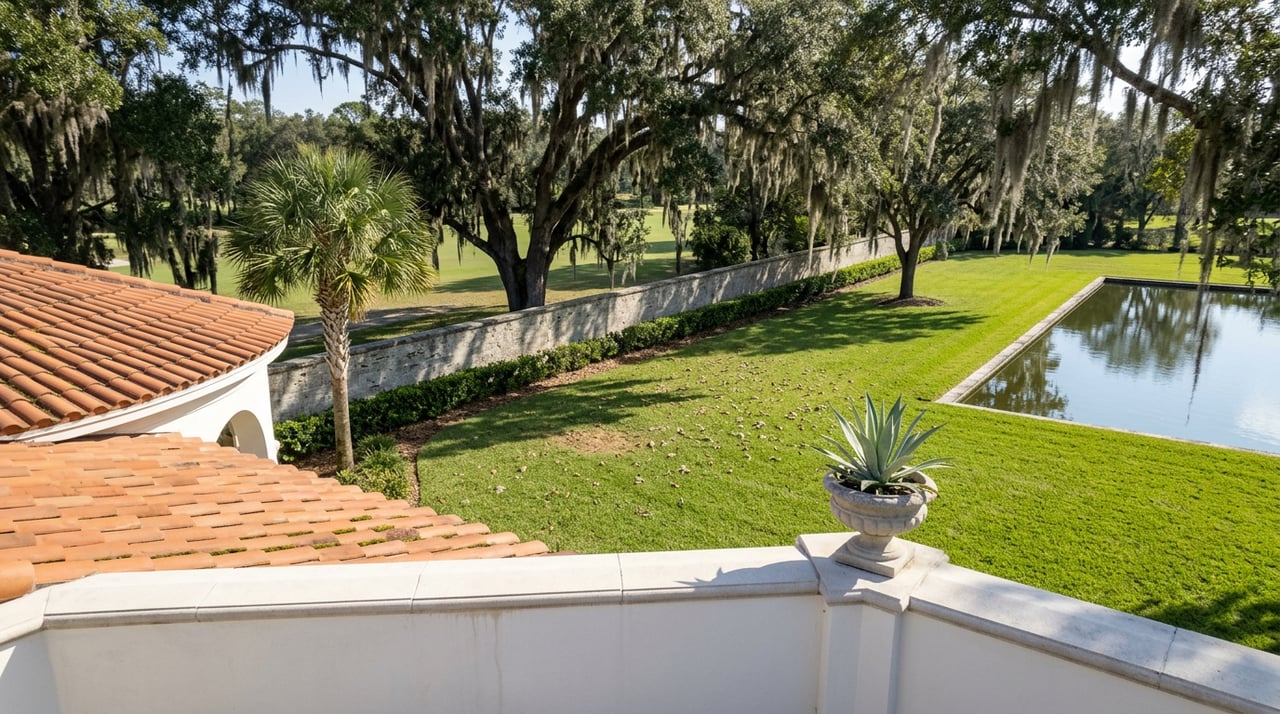
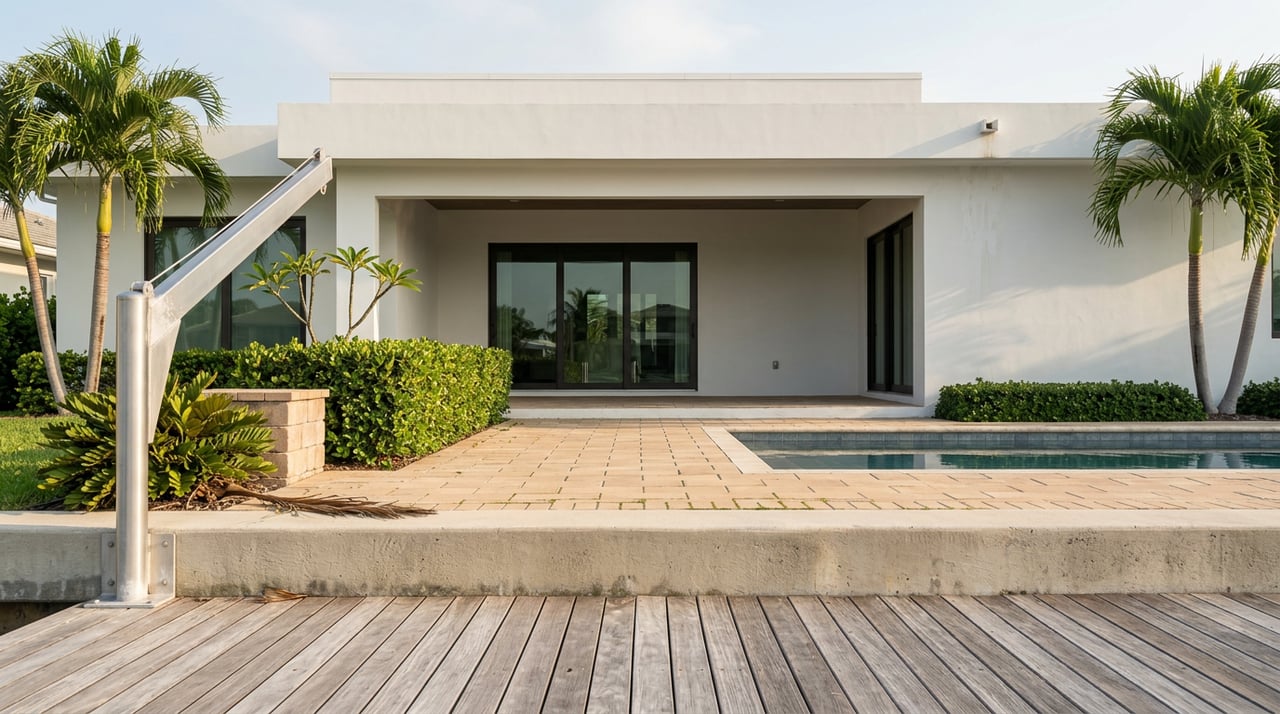
For many buyers, the biggest difference between a Palm Beach estate and an oceanfront condo is the level of privacy and control. If you want more separation from neighbors, more land, and more flexibility in how you use your property, an estate usually aligns better with that goal.
Single-family estates also tend to appeal to buyers who want room for guests, staff, or longer stays with a more residential feel. That can be especially important if you see Palm Beach as a place for legacy ownership rather than a simpler seasonal landing spot.
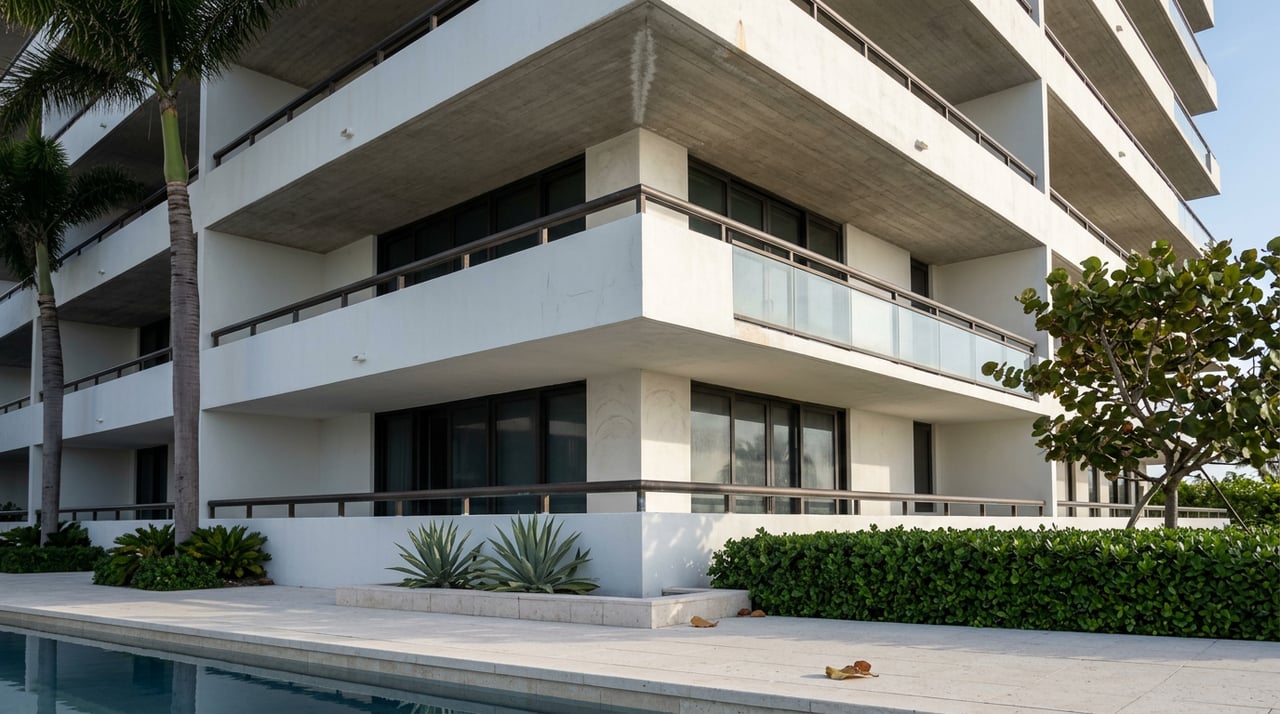
Oceanfront condos usually offer a different kind of luxury. You may gain convenience, shared management, and easier lock-and-leave ownership, but you are also buying into a building structure with shared rules, shared systems, and association oversight.
Even with an estate, you are not operating without local review. The Town of Palm Beach planning process includes construction-related permitting and coordination with design and preservation bodies, so owning the land and structure gives you more control, not unlimited freedom.
Maintenance looks very different
The day-to-day ownership experience often becomes the deciding factor after the first few tours. If you are in Palm Beach only part of the year, or you travel often, maintenance responsibilities deserve a close look.
With a condo, Florida law places responsibility for common element maintenance on the association. The association is also responsible for property insurance covering the condominium property it must insure.
That structure can make condo ownership feel more streamlined. Building systems, common areas, and much of the exterior upkeep are handled through the association framework rather than by you alone.
Still, condo ownership does not mean zero responsibility. Florida law also makes many interior items the unit owner’s responsibility, including floor and wall coverings, appliances, built-in cabinets, countertops, and window treatments.
With an estate, the maintenance burden sits at the parcel level. You are generally taking on the property’s exterior care, systems, grounds, and insurance coordination directly rather than sharing those obligations through a condo association.
Insurance and flood exposure need careful review
In Palm Beach, coastal exposure is not a side note. It is central to the ownership decision whether you are buying a large estate or an oceanfront condo.
Palm Beach County states that all county residents live in a flood zone. The county also notes that windstorm insurance does not cover flood damage, and updated flood maps added thousands of eastern-county residents to high-risk flood zones, with more than 16,000 parcels seeing base flood elevation increases of one foot or more.
That means buyers should treat flood-zone review, elevation, and insurance planning as essential steps. This is especially true for oceanfront property, where exposure to coastal conditions is part of the ownership reality.
The Town of Palm Beach reinforces that reality in its coastal-protection materials. The town sits on a barrier island and is constantly affected by wind, waves, and moving sand, with ongoing beach renourishment and dune restoration work.
For condo buyers, this means reviewing not only your own potential exposure but also the association’s insurance and financial readiness. For estate buyers, it means understanding the insurance burden and resilience planning at the property level.
Condo due diligence is more document-heavy
If you are comparing the buying process itself, condos usually require more paperwork review upfront. In Palm Beach, that extra diligence is often worth the time because it can give you a clearer picture of future obligations and building condition.
Florida requires milestone inspections for qualifying condominium and cooperative buildings that are three stories or higher, starting at 30 years and then every 10 years after that. The Town of Palm Beach says a Phase 1 inspection must be completed within 180 days of notice, and repairs identified in Phase 2 must begin within 365 days of the town building official receiving the report.
Florida law also requires structural integrity reserve studies and inspection reports to be kept as official records. The state says those records must be available to potential purchasers.
Before touring seriously or preparing an offer on a condo, it is smart to review a focused set of building documents. The most useful items often include:
- The milestone inspection summary
- The most recent structural integrity reserve study
- Current association budgets
- Recent meeting minutes
- Current insurance information
This review can tell you far more than finishes and views ever will. It helps you understand how the building is managed, what capital needs may be coming, and whether the association structure fits your comfort level.
Market patterns can shape your strategy
Palm Beach County market data also shows some practical differences between the condo and single-family segments. In March 2026, condo sales were more cash-heavy than single-family sales, with 62.9% of condo purchases paid in cash compared with 45.0% for single-family homes.
Condos also took longer to contract, averaging 71 days versus 42 days for single-family homes. Inventory was higher too, with 8.5 months of condo inventory compared with 4.7 months for single-family homes.
These patterns do not define every transaction, but they are consistent with a more document-heavy condo search process. If you are pursuing an oceanfront condo, it often makes sense to leave room in your timeline for deeper building review before moving forward.
For estate buyers, the search may move differently. Inventory can be tighter, and the decision often centers more on location, lot, privacy, architecture, and long-term fit.
How to decide which fits you
If both options appeal to you, the best next step is to narrow the decision around your actual ownership preferences rather than aesthetics alone. In Palm Beach, the most useful questions are usually practical.
Ask yourself:
- How much privacy do you want day to day?
- How much maintenance do you want to outsource?
- How much flood and insurance exposure are you comfortable absorbing directly?
- How comfortable are you reviewing association budgets, minutes, inspection reports, and reserve studies?
- Are you looking for a seasonal lock-and-leave property or a more independent long-term residence?
In simple terms, estates tend to suit buyers who prioritize privacy, land, and control. Oceanfront condos tend to suit buyers who value direct beach access, shared management, and a more streamlined ownership structure.
Neither path is automatically better. The right fit depends on how you want your Palm Beach property to function in real life, not just how it looks on paper.
If you are weighing Palm Beach estates against oceanfront condos, a curated search strategy can save time and sharpen your decision-making. The Hyland Group offers discreet, high-touch guidance for luxury buyers who want clear local insight, thoughtful property selection, and a more seamless path to the right fit.
FAQs
Which Palm Beach option offers more privacy: an estate or an oceanfront condo?
- A Palm Beach estate usually offers more privacy because you have your own parcel, more separation from neighbors, and greater control over the property.
Which Palm Beach property type is easier to maintain from afar?
- An oceanfront condo is often easier to maintain from afar because the association handles common elements and much of the shared property upkeep.
What insurance difference should Palm Beach buyers understand first?
- Palm Beach County states that windstorm insurance does not cover flood damage, so buyers should review flood exposure and insurance needs separately.
What condo documents should Palm Beach buyers review before offering?
- The most important condo documents usually include the milestone inspection summary, structural integrity reserve study, current budget, meeting minutes, and current insurance information.
Do Palm Beach estates still require local permitting and review?
- Yes. The Town of Palm Beach planning process handles construction-related permitting and works with local review bodies, so estate ownership still comes with municipal oversight.