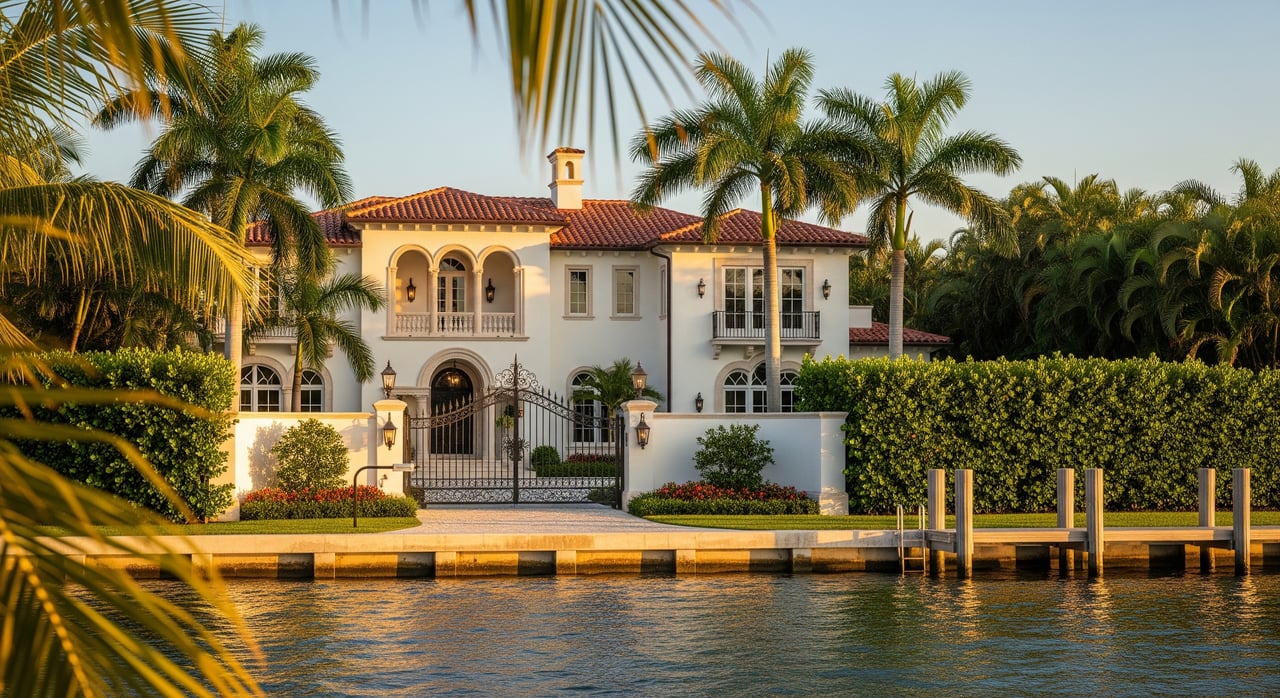
Buying on Palm Beach Island is a milestone, and you want every detail handled right. One area that often raises questions is title insurance. You may wonder what it covers, whether you need it if you have a mortgage, and how it fits into a waterfront or club-related purchase. In this guide, you’ll get clear, practical answers so you can move to closing with confidence. Let’s dive in.
What title insurance is
Title insurance protects you against covered title defects that already existed on the policy date but were unknown or undisclosed. It is different from homeowners or flood insurance because it deals with legal ownership and public record issues, not the physical condition of the home. If a covered claim arises, the policy provides a legal defense and pays covered losses up to the policy limit.
Two policy types
- Owner’s policy: Protects your interest in the property, usually up to the purchase price. Coverage lasts as long as you or your heirs have an interest.
- Lender’s policy: Protects the lender’s interest up to the loan amount. If you have a mortgage, the lender will require this. It does not protect you.
How payment works in Florida
You pay a one-time premium at closing. Florida regulates premium structures at the state level. Before closing, you should receive a title commitment that lists the proposed coverage, requirements to close, and exceptions items the policy will not cover.
What it generally covers
- Forged or fraudulent documents affecting title
- Undisclosed or missing heirs and claims by heirs
- Recording errors or incorrect legal descriptions
- False affidavits related to title
- Certain undisclosed liens or judgments not revealed in the public record search
- Errors in public records
What it does not cover
- Zoning or land-use changes after the policy date
- Governmental police powers or eminent domain unless specifically endorsed
- Physical property conditions such as structural defects or pests
- Title issues created by you after the policy date
- Matters a current survey would have revealed unless you buy a survey-related endorsement
Palm Beach title risks to watch
Luxury island and waterfront properties can involve unique title considerations. Knowing them helps you select the right searches and endorsements.
Waterfront and shoreline rights
Water access and riparian rights, seawall or bulkhead responsibilities, and mean high-water line questions can affect usable land and boundaries. Encroachments from docks, pilings, or seawalls may lead to disputes or require easements. A current ALTA or NSPS-style survey plus a survey endorsement can reduce risk.
Historic and municipal controls
Local preservation rules or designations may limit future alterations. Municipal permitting and code enforcement liens can appear and need to be cleared as a condition of closing.
Associations and private clubs
Many properties involve homeowner associations, clubs, or shared-access agreements. Title review should address covenants and restrictions, transfer or assumption fees, rights of first refusal, and easements that govern access to amenities.
Taxes and special assessments
Confirm current ad valorem tax status and how taxes will be prorated at closing. Check for non-ad valorem assessments for services or special districts. Certain municipal assessments for items like seawalls or drainage may not appear in standard tax searches at the time of sale and should be verified.
Common clouds on title
Incorrect names, unrecorded or unreleased mortgages, old judgments, and probate or heirship issues do surface in Palm Beach County. Title insurance typically helps defend or cure many defects that existed before the policy date.
Timeline: search to closing
Luxury waterfront closings often require extra time for surveys, association or club approvals, or permitting. A typical sequence looks like this:
- Contract execution. Your agent opens a title order promptly so the search starts and timelines are set.
- Preliminary searches. The title company runs recorded instruments searches plus tax, municipal lien, bankruptcy, UCC, and probate or heirs checks as needed.
- Survey. An ALTA or NSPS survey is strongly recommended. On waterfront parcels, it identifies the mean high-water line, bulkhead, and dock footprint.
- Title commitment. You receive a commitment with exceptions, requirements, and the legal description. Review exceptions closely and consider endorsements.
- Clearing requirements. Seller resolves liens and obtains payoffs. HOA or club estoppels confirm dues and identify pending assessments or transfer procedures.
- Endorsements and lender items. Your lender orders a lender policy. You evaluate an owner’s policy and endorsements tailored to the property.
- Closing logistics. Closings are often handled by a title company that also acts as escrow agent. You can close in person or remotely with notarization.
- Recording and policy issuance. Deeds and any mortgages record with the county, then the title company issues your final policies.
Many residential closings complete in 30 to 45 days. Complex waterfront, estate, or club transactions may need additional weeks.
Costs and endorsements
What you pay and when
You pay a one-time premium for title insurance at closing. Florida regulates rate structures. Your total closing costs will also include settlement or escrow fees, recording fees, searches, and courier or processing charges that vary by provider and deal complexity. Ask the title company for an exact quote.
Endorsements to consider
- Survey endorsement: Important for waterfront estates to address encroachments, boundary disputes, or easements shown on a survey.
- Condominium or PUD endorsement: If applicable, extends certain protections tied to condo or planned community ownership.
- Zoning or land-use endorsements: Limited coverage for specified zoning matters.
- Environmental or use endorsements: Narrow in scope; evaluate based on property type.
- Mechanic’s lien endorsements: Useful where construction or renovation is recent or ongoing.
Ask which endorsements are available for your specific single-family, condo, or estate property.
Wire fraud safeguards
Wire-transfer fraud is a known risk in real estate. Always confirm wiring instructions directly with the title company using a verified phone number, not email alone. Many title companies provide instructions only in person or via a secure portal on the day of closing.
Remote and international closings
Remote notarization, mobile notaries, and coordinated document shipping are common. Confirm identity requirements and notary options early, and allow extra time for international fund transfers if applicable.
How your team coordinates the close
Your buyer’s agent coordinates with a Palm Beach-experienced title partner to order searches, request surveys, obtain HOA or club estoppels, and manage scheduling. The title company prepares the commitment, clears liens, and records documents. For high-end island purchases, make sure your title partner is familiar with club transfers, trust or estate sellers, offshore or non-resident buyers, and intricate survey issues.
Key takeaways for Palm Beach buyers
- An owner’s policy protects your equity for as long as you own the property.
- Waterfront and club properties require careful survey review and targeted endorsements.
- Read the title commitment exceptions closely and resolve requirements early.
- Use verified wire instructions and plan ahead for remote or international logistics.
- Work with a title company and agent experienced in Palm Beach Island nuances.
When you are ready to explore properties or want help coordinating a clean path to closing, connect with The Hyland Group - CANCELLED 2/23 for concierge-level guidance.
FAQs
Do I need an owner’s policy if my lender requires one?
- Yes. A lender’s policy protects only the lender’s interest, while an owner’s policy protects your equity up to the purchase price for as long as you hold an interest.
How long does an owner’s title policy last in Florida?
- Coverage generally lasts as long as you or your heirs have an interest in the property and begins on the policy date, typically your closing date.
Will title insurance cover future zoning changes or eminent domain?
- No. Standard policies exclude governmental police powers and eminent domain arising after the policy date, though some limited endorsements exist.
What should I ask a title company for a Palm Beach waterfront purchase?
- Ask about a current ALTA or NSPS survey, riparian rights language, seawall or bulkhead maintenance responsibilities, easements affecting water access, flood zone status, and any club transfer requirements.
What happens if a covered title claim arises later?
- The insurer typically provides a legal defense and pays covered losses up to the policy limit, provided you give prompt notice under the policy terms.