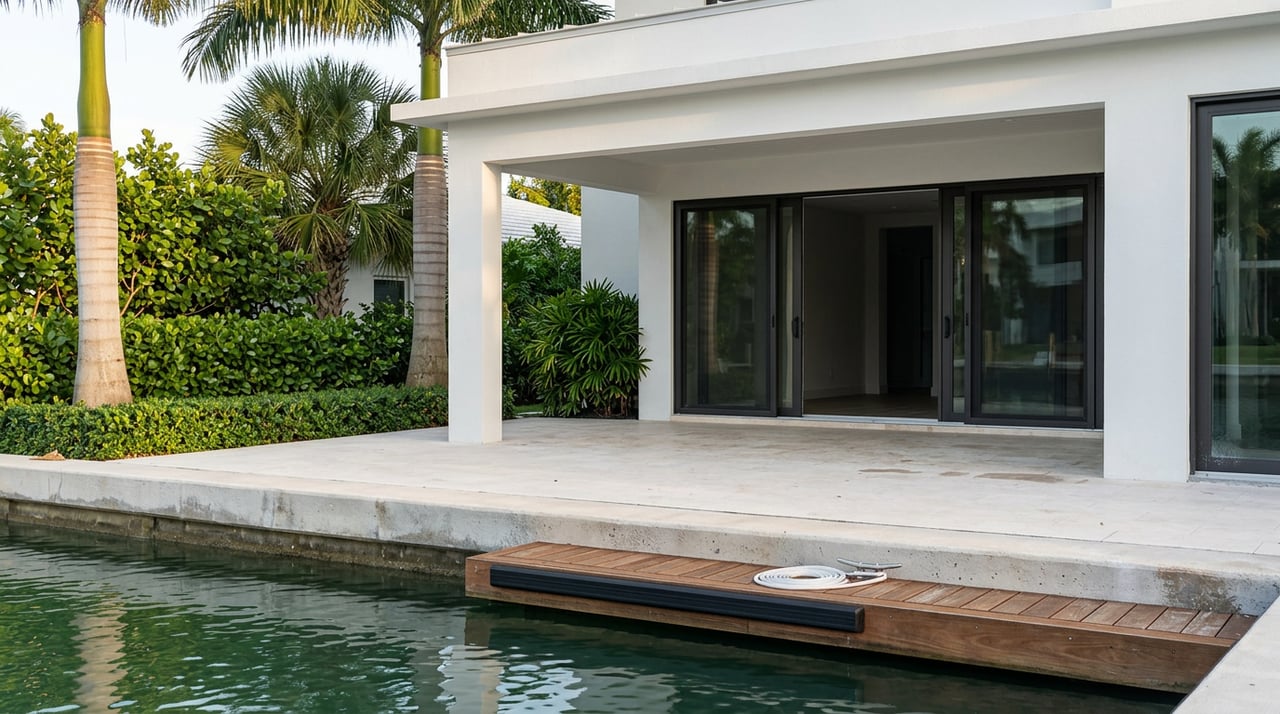
If your ideal day starts with a sunrise run to the inlet and ends at anchor off an island, North Palm Beach and Juno fit you perfectly. The Intracoastal Waterway is at your doorstep, with quick access to the Atlantic and a strong network of marinas and service yards. In this guide, you’ll learn how ocean access works here, where to keep your boat, what to know about docks and storage, and how to choose a home that matches your boating lifestyle. Let’s dive in.
Why boaters choose North Palm Beach and Juno
You sit between two major ocean gateways: Jupiter Inlet to the north and Lake Worth/Palm Beach Inlet to the south. That means short runs to blue water for fishing or Bahamas-bound trips. For example, the Palm Beach Gardens location of Loggerhead notes it is 3.8 nautical miles to Jupiter Inlet and 8.2 nautical miles to Lake Worth Inlet, giving you flexible options based on weather and schedule. You can see those distances highlighted on the marina’s page for the Palm Beach Gardens facility.
You also have a deep bench of marinas and service providers close at hand. Full-service, resort-style slips in North Palm Beach, dry-stack options in Jupiter, and a world-class refit yard in West Palm make it easy to own and operate everything from a center console to a large sportfish.
Ocean access and inlet know-how
Jupiter Inlet is the most direct ocean gateway for many North Palm Beach and Juno boaters. Short Intracoastal runs get you to the inlet quickly, which is a key selling point for local marinas that market convenient offshore access. Still, East Coast inlets can shift. Shoaling and sand movement around Jupiter Inlet are well documented in coastal engineering and shore-protection literature, which is why local operators monitor dredging and posted notices.
Before any inlet transit, tide and current timing matter. Always check official predictions on NOAA Tides & Currents for conditions at your intended pass or bridge opening. Plan your run with a safe weather window, and confirm any Notices to Mariners through local harbormasters when conditions have been changing.
Marinas and services you’ll use
Safe Harbor Old Port Cove (North Palm Beach)
This full-service, resort-style marina sits on a 60-acre peninsula and accommodates a wide range of boats. The operator lists slips for approximately 30 to 200 feet, with fuel, pump-outs, a waterfront restaurant, and on-site concierge services. The marina also highlights short runs to nearby day spots like Peanut Island and positions itself as a convenient launch point for Bahamas trips. If you plan to host guests or manage a larger cruising schedule, these amenities and the protected setting are a strong fit.
Safe Harbor Rybovich (West Palm Beach / Riviera Beach)
For larger vessels and serious refit needs, Rybovich is the area’s heavy-lift, superyacht-capable yard. The facility lists major lift capacities, including 80-ton and 660-ton equipment, and offers deep-water berths plus a full suite of service trades. If you run a big sportfish or plan periodic yard periods, having a world-class facility nearby is a significant benefit.
Loggerhead Marina — Palm Beach Gardens
Loggerhead Palm Beach Gardens is marketed for its easy ocean access, with 3.8 nautical miles to Jupiter Inlet and 8.2 nautical miles to Lake Worth Inlet. The operator lists wet slips up to 200 feet, plus fuel and pump-outs. You’re also close to provisioning and services, which makes quick-turn weekend trips simple.
Loggerhead Marina — Jupiter
If you prefer dry-stack storage and near-instant inlet access, Loggerhead Jupiter emphasizes that it is just minutes from Jupiter Inlet. The facility lists hundreds of dry-stack slots, with fuel and pump-out services on site. This setup is ideal if you want protected storage, lower bottom-maintenance costs, and fast ocean runs.
Clean Marina designations
Many local facilities appear on Florida DEP’s Clean Marina program list for the Southeast District. This designation signals a proactive approach to pump-outs, waste handling, spill response, and boater education. If environmental stewardship matters to you, look for these designations when selecting a home marina.
Day trips and favorite stops
Short cruises to Peanut Island and Munyon Island are local favorites for family beach days, snorkeling, and picnics. Safe Harbor Old Port Cove highlights the quick hop to Peanut Island on its guest resources, which makes sense given the protected waters and easy anchoring nearby. If you’re planning to snorkel or dive from shore, Blue Heron Bridge at Phil Foster Park in the Lake Worth area is an iconic site. Many divers time their entries around slack tide because currents can be strong.
As with any barrier-island coast, sandbars and shoals shift with storms and seasons. Rather than relying on fixed waypoints, check current NOAA charts and touch base with local marinas or harbormasters for up-to-date conditions.
Dock types and storage options
The right setup depends on your boat size, how often you cruise, and the level of care you prefer.
- Floating docks. Common at modern marinas and some condo associations. Floating docks rise and fall with the tide and simplify boarding, which is why many premium marinas include them among amenities.
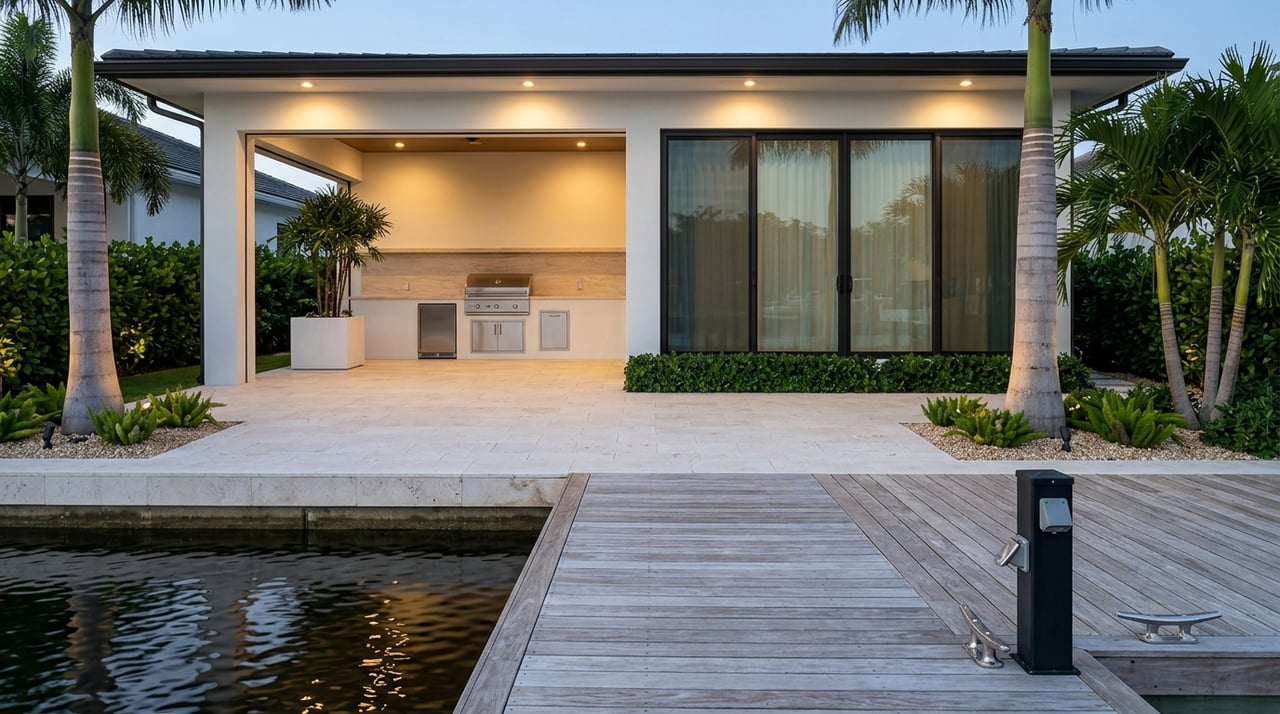
- Fixed docks and T-docks. You’ll see these at single-family canal or waterfront homes where a permanent, pile-supported structure ties into a seawall. They offer stability for loading and mooring but require proper height and fendering.
- Boat lifts and davits. Popular with owner-operators who want to keep hulls out of the water, reduce bottom growth, and speed up weekend departures. Confirm lift capacity and permit history, and review any HOA rules about canopies and visibility.
- Dry-stack storage. Ideal for smaller powerboats and runabouts. Loggerhead Jupiter lists several hundred dry-stack spaces and promotes fast inlet access, a strong fit if you prefer a low-maintenance, call-and-launch routine.
Homes that fit your boating life
- Canal homes with a private dock. Great for immediate access and hands-on owners. Check canal width for turning, depth at mean low water, and any HOA or municipal limitations on dock size or lifts.
- Deep-water estates. Suitable for larger sportfish and wide-beam yachts, though these properties are rare and command premium prices. Even with deep-water frontage, most large-vessel owners still rely on a professional yard like Rybovich for heavy service.
- Waterfront condos with slips. Low-maintenance living with boating convenience. Confirm whether slips are deeded and transferable or assigned by the association, and verify maximum boat sizes.
- Non-waterfront with marina membership. Combine a home you love with dry-stack or a leased slip. Loggerhead Jupiter and nearby marinas make this strategy attractive for busy weekend boaters who want quick ocean access without on-site dock upkeep.
Buyer checklist: what to confirm before you close
- Depth vs. draft. Ask for recent soundings showing depth at mean low water at the dock and in the approach. Compare to your vessel draft and add prop and skeg clearance. Channel depths and inlet conditions can change, so pair dock data with current marina or harbormaster guidance.
- Permits and transferability. Confirm that dock permits transfer with the property and that any lifts or canopies match permitted specs. For condos, check whether slips are deeded or assigned and review guest docking and boat-type rules.
- Flood and wind exposure. Review FEMA Flood Map Service Center data for the property’s flood zone and talk to your insurer about premiums for waterfront structures and boats stored in-water vs. on lifts.
- Service capacity. If you own a larger boat, confirm haul-out and yard capacity nearby. Rybovich lists heavy-lift capability and a full-service refit operation, and several marinas offer fuel, pump-outs, and basic repairs for everyday maintenance.
- Hurricane season plan. Ask for written hurricane procedures from your marina or HOA. Town resources, including Juno Beach’s hurricane-awareness communications, can help you understand local expectations. Some marinas outline hurricane-shelter policies; align your insurance requirements with these plans.
Seasonal and safety notes
- Inlet timing. Match your transits to favorable tides and seas, and avoid opposing wind-against-current scenarios that can stack up short, steep waves. Always check NOAA Tides & Currents before you go.
- Changing bottom. Inlets and sandbars move, especially after storms. Coastal engineering sources explain why shoals shift, which is why local boaters watch dredging notices and avoid relying on old waypoints.
- Protected anchors and swim zones. Expect seasonal rules and posted markers around popular areas like Peanut Island and shore-dive sites. When in doubt, consult local marinas or county parks for the latest guidance.
Ready to pair the right home with the right slip?
Whether you want a deep-water estate for a large sportfish or a low-maintenance condo with a deeded slip, the Palm Beaches offer options that make boating easy. If you are early in your search, we’ll help you shortlist communities that fit your vessel size, ocean access needs, and storage preferences, then coordinate due diligence on dock depth, permits, and insurance.
When you are ready to discuss neighborhoods, slips, and on-the-water lifestyle, connect with us at The Hyland Group - CANCELLED 2/23 for tailored, confidential guidance.
FAQs
How close are North Palm Beach and Juno marinas to the ocean?
- Loggerhead’s Palm Beach Gardens marina highlights 3.8 nautical miles to Jupiter Inlet and 8.2 nautical miles to Lake Worth Inlet, giving you short, flexible ocean transits.
Which marinas near North Palm Beach handle larger yachts?
- Safe Harbor Old Port Cove lists slips for approximately 30 to 200 feet, while Safe Harbor Rybovich provides deep-water berths and heavy-lift refit capacity for large vessels.
Where can I launch quickly if I prefer dry-stack storage?
- Loggerhead Jupiter emphasizes dry-stack service and minutes-to-inlet access, making it an efficient option for fast ocean runs without an on-property dock.
What should I verify before buying a condo with a slip?
- Confirm whether the slip is deeded and transferable or assigned by the HOA, and check the maximum vessel size and any rules for guest docking or lifts.
Is a boat lift enough protection during hurricane season?
- A lift reduces bottom growth and can help with routine storms, but it is not a substitute for a written hurricane plan and insurance-aligned marina or yard procedures.
Where can I find official tide and current information for inlet runs?
- Use NOAA Tides & Currents for authoritative tide predictions and current observations before planning any Jupiter or Lake Worth inlet transit.
Are there popular day anchorages near North Palm Beach?
- Yes, boaters often day-cruise to Peanut Island and Munyon Island for protected waters and easy swimming; confirm current rules and anchoring zones with local marinas.