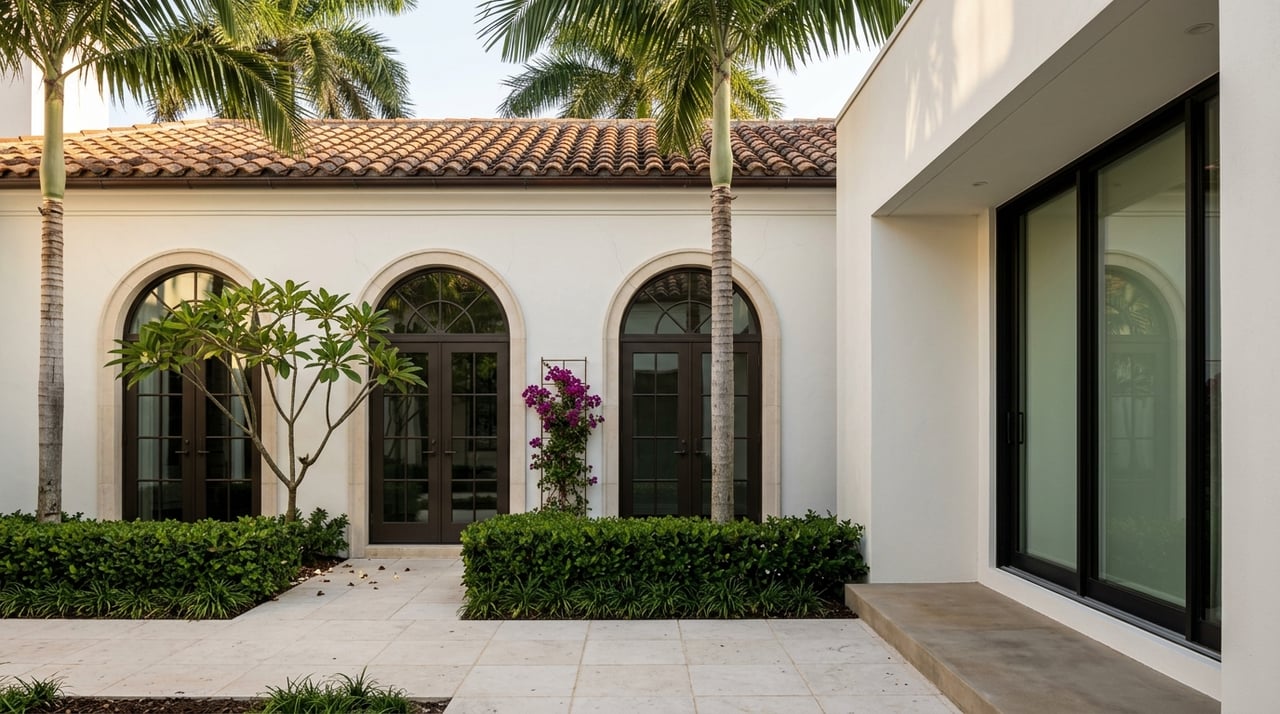
If you are deciding between a historic neighborhood and a newer community in West Palm Beach, you are really choosing between two very different ways to live. One offers architecture, character, and stronger walkability near the urban core. The other leans into amenities, predictable upkeep, and a more managed residential setting. Understanding that trade-off can help you focus your search and avoid expensive guesswork. Let’s dive in.
West Palm Beach offers two distinct paths
In broad terms, West Palm Beach gives you two major neighborhood styles to consider. On one side are close-in historic neighborhoods known for architectural variety and a stronger street-level feel. On the other are newer or more planned communities that often prioritize amenities, gates, and lower day-to-day maintenance.
That split matters because the lifestyle differences are real. The City of West Palm Beach Historic Preservation Program oversees 18 locally designated historic districts and 46 individually designated sites, which means historic homes often come with a more structured review process for exterior changes. By contrast, newer communities typically offer more consistency in design standards and maintenance expectations.
Location plays a role too. CityPlace notes that downtown West Palm Beach is about one mile from Palm Beach Island, which helps explain why many of the most sought-after mainland historic options sit close to downtown and the waterfront. At the city level, West Palm Beach has an average Walk Score of 40, but some historic neighborhoods score much higher.
Historic neighborhoods bring character
If you are drawn to homes with architectural identity, the historic side of West Palm Beach may feel especially compelling. Neighborhoods like El Cid, Flamingo Park, Grandview Heights, and Old Northwood are some of the clearest examples of the city’s older housing stock.
These areas are defined less by sameness and more by distinct design eras. Visit West Palm Beach highlights El Cid for Mediterranean Revival homes and waterfront proximity. Flamingo Park reflects the 1920s building boom, while Grandview Heights includes Craftsman bungalows, American Four-Squares, Art Deco, Mission Revival, and Monterey-style homes. Old Northwood is also known for a mix of Mission style, Mediterranean Revival, Craftsman Bungalow, Four Square, and Florida Frame Vernacular architecture.
For many buyers, that variety is the appeal. No two blocks feel exactly the same, and homes often carry details that are hard to replicate in newer construction. If you care about originality, curb appeal, and a sense of place, historic neighborhoods can offer a distinctly Palm Beach-area experience.
Walkability is strongest in the historic core
Historic neighborhoods also stand out when you look at walkability. While West Palm Beach overall remains fairly car-oriented, the close-in historic districts perform far better than the city average.
According to Walk Score data for West Palm Beach, Flamingo Park scores 77, Grandview Heights scores 74, and Old Northwood Historic District scores 64. Those numbers are well above the citywide average of 40. If you want easier access to parks, local restaurants, and day-to-day errands without relying on your car for every trip, that difference can shape your daily routine in a meaningful way.
This is one of the biggest reasons buyers continue to focus on the historic core. You are not just buying a house. You are choosing how connected you want to feel to the surrounding city.
Historic pricing spans wide ranges
It is important not to think of “historic” as one price point. In West Palm Beach, the historic segment stretches from relatively approachable cottages and bungalows to ultra-premium homes near the waterfront.
In February 2026, Redfin market data showed El Cid with a median sale price of $3.27 million, up 1.4% year over year. Southend, also called SoSo, came in at $900,000, up 18.4%, while Flamingo Park was $830,000, down 23.3%. Zillow placed Old Northwood’s typical home value at $896,995, up 9.2% over the past year.
Those numbers also need context. El Cid had only four February sales and Flamingo Park had five, so short-term changes can look dramatic when transaction volume is thin. The broader takeaway is that historic West Palm Beach gives you a wide range of options, from homes under $1 million to multimillion-dollar residences in premium locations.
Historic homes require more oversight
The charm of a historic property often comes with extra responsibility. If you are considering a home in a designated historic district, you should expect a more formal process for exterior work.
The city states that all historically designated properties and all homes within historic districts are reviewed for exterior modifications, additions, demolition requests, and new construction. On its property change guidance page, the city also notes that historically compatible materials are preferred. For the right buyer, this oversight helps protect neighborhood character. For others, it may feel limiting.
There can be a financial upside as well. The city notes that some qualified historic rehabilitation projects may be eligible for tax exemption programs if the work is approved. If you are planning renovations, that is worth understanding early in the process.
Newer communities focus on amenities
If your priorities lean toward convenience, lifestyle programming, and lower-maintenance living, a newer or planned community may be the better fit. In West Palm Beach, Baywinds, RiverWalk, and Ibis are strong examples of the amenity-first side of the market.
These communities are designed around a different value proposition. Baywinds describes itself as centrally located near shopping, restaurants, downtown West Palm Beach, major roads, and the airport, and it is also identified by 55places as a gated 55+ community. RiverWalk emphasizes resort-style living, 12 miles of pedestrian bridges and pathways, and a full-time activities director. Ibis presents itself as a residential club community with 33 neighborhoods and a lifestyle centered on golf, tennis, pickleball, fitness, dining, and organized activities.
That approach appeals to buyers who want structure and ease. Instead of prioritizing street-by-street architectural history, these communities often focus on social amenities, recreation, and a more managed environment.
Maintenance is often more predictable
Newer communities are usually less about preserving a specific architectural era and more about offering a controlled mix of home types and floor plans. That can make ownership feel more straightforward, especially if you are balancing a primary residence elsewhere or want a more lock-and-leave setup.
Ibis, for example, includes golf villas, condominiums, single-family homes, and estate residences. RiverWalk highlights indoor-outdoor living and shared amenities more than preservation standards. In practical terms, this often means more HOA or club structure, less exterior decision-making, and a more predictable maintenance profile than what you may find in older neighborhoods.
For many second-home buyers, that trade-off is attractive. You may give up some architectural individuality, but gain simplicity and consistency.
Walkability drops in planned communities
The biggest trade-off with newer communities is usually walkability to the broader city. These neighborhoods may offer internal trails, club facilities, or recreational spaces, but they are generally built around car access rather than an urban street grid.
According to Walk Score’s West Palm Beach data, Baywinds scores 25, RiverWalk of the Palm Beaches scores 8, and Ibis Golf & Country Club scores 3. Those scores do not reflect quality or desirability on their own. They simply show that these communities function very differently from neighborhoods like Flamingo Park or Grandview Heights.
If your ideal day includes walking to nearby coffee, dining, or errands, this matters. If you care more about on-site amenities and a quieter residential environment, it may matter far less.
Newer pricing covers broad options
The planned-community segment also spans a wide pricing range, though it tends to center below West Palm Beach’s ultra-luxury historic tier. In February 2026, Baywinds posted a median sale price of $430,000, RiverWalk came in at $471,000, and Ibis reached $975,000, according to Redfin neighborhood reports.
That spread is useful for buyers comparing value. Baywinds and RiverWalk sit near or below the broader city median, while Ibis occupies a more premium club-oriented position. Even so, Ibis remains below the level of neighborhoods like El Cid, where pricing can reach well into the multimillion-dollar range.
What the market is saying now
The broader West Palm Beach market softened in early 2026, but that does not tell the whole story. Redfin reported a citywide median sale price of $505,000, down 5.6% year over year, while Zillow’s typical home value was $399,471, down 3.1% over a similar period. Redfin also found that homes were moving faster, with average days on market at 87 compared with 116 a year earlier.
At the same time, the luxury segment remained much stronger than those broad city figures might suggest. In a Redfin luxury market report, West Palm Beach luxury home prices were up 187.3% over the past decade to a median of about $4.04 million, and luxury pending sales were up 30% year over year in January 2026.
That helps explain why premium historic districts and select high-end communities can still command strong pricing even when the broader market looks softer. In this market, neighborhood choice matters as much as timing.
How to choose the right fit
If you are weighing historic versus new in West Palm Beach, start by being honest about how you want to live. Your best option is not the one with the loudest reputation. It is the one that aligns with your daily priorities, comfort level, and long-term plans.
A historic neighborhood may be the better fit if you want:
- Distinct architecture and original design details
- Stronger walkability near the urban core
- Close mainland access to downtown and Palm Beach Island
- A home with individuality rather than uniformity
A newer or planned community may be the better fit if you want:
- Amenities like golf, fitness, dining, or organized activities
- A more predictable maintenance profile
- A gated or managed residential setting
- A home that feels easier to lock and leave
The right answer often comes down to trade-offs. Historic areas can offer charm, location, and character, but often with more oversight and maintenance complexity. Newer communities can offer convenience and lifestyle amenities, but with less walkability and less architectural variation.
If you are comparing neighborhoods in West Palm Beach and want guidance tailored to your priorities, The Hyland Group - CANCELLED 2/23 can help you narrow the field with a more strategic, market-aware approach.
FAQs
What is the main difference between historic and newer West Palm Beach neighborhoods?
- Historic neighborhoods usually offer more architectural character and better walkability, while newer communities tend to focus on amenities, managed upkeep, and a more car-dependent lifestyle.
Which West Palm Beach historic neighborhoods are known for walkability?
- Flamingo Park, Grandview Heights, and Old Northwood Historic District have higher walkability scores than the city overall, making them stand out for buyers who want easier access to nearby destinations.
Do homes in West Palm Beach historic districts have renovation rules?
- Yes. The City of West Palm Beach reviews exterior modifications, additions, demolition requests, and new construction for historically designated properties and homes within historic districts.
Which newer West Palm Beach communities are known for amenities?
- Baywinds, RiverWalk, and Ibis are strong examples of planned communities where amenities and managed lifestyle features are a core part of the appeal.
Are historic West Palm Beach neighborhoods always more expensive?
- No. Historic pricing varies widely, from homes under $1 million in some neighborhoods to multimillion-dollar properties in premium locations like El Cid.
Is West Palm Beach a walkable city overall for homebuyers?
- West Palm Beach is generally car-oriented, with a citywide average Walk Score of 40, but some close-in historic neighborhoods are much more walkable than the city as a whole.